
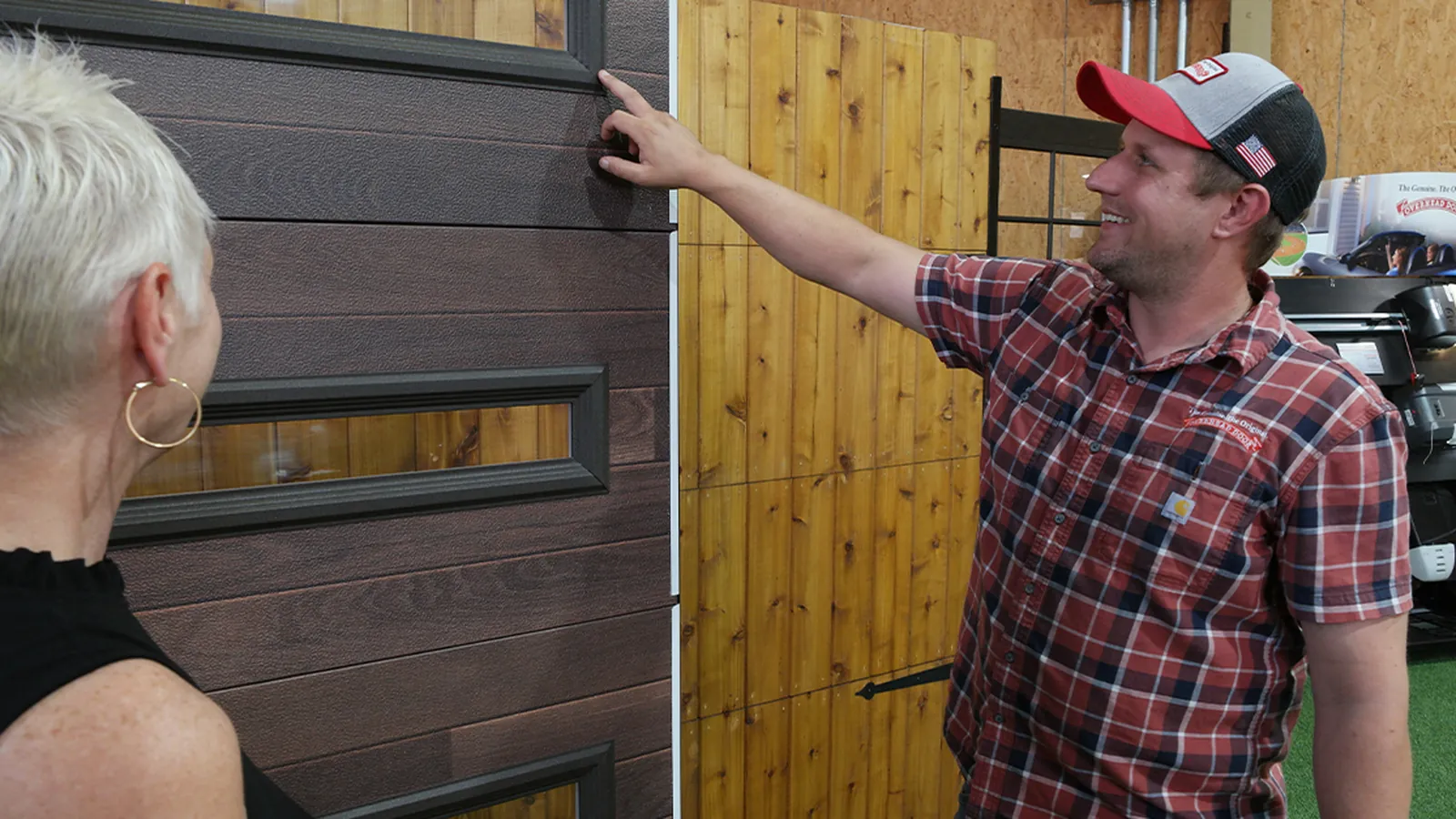
Garage doors rarely fail without warning. Long before a spring snaps or a cable jumps its drum, the door sends signals — sounds, visual cues, and behavioral quirks — that something is wrong. For Midland homeowners, those signals arrive faster than in most parts of the country. Extreme heat, abrasive caliche dust, and intense UV exposure put relentless pressure on every moving component. Knowing how to read those signals is what separates a modest service call from an expensive emergency repair. Residential garage door repair in Midland starts with recognizing the problem early enough to act on it.
Each noise a garage door makes is a diagnostic signal of a specific mechanical issue. A grinding sound often indicates failing roller bearings or grit-packed tracks. A popping or banging noise suggests a torsion spring under abnormal stress, while squealing points to metal-on-metal contact due to dried-out lubrication. Rattling might mean loose hardware, like bolts or lag screws, or a worn roller stem.
Midland’s caliche dust infiltrates roller bearings faster than in cleaner environments, meaning grinding sounds can develop quickly. Low humidity dries out lubrication on nylon rollers, causing them to squeal sooner than expected. A popping sound can be a precursor to spring fracture — a serious safety hazard that warrants stopping use of the door immediately.
⚠️ Important: Never manually adjust a spring when you hear a popping sound. The stored energy in a torsion spring can cause severe injury if released unexpectedly.
To diagnose the source, stand outside with the door closed and listen through a full cycle. Disengaging the opener and lifting manually can help isolate whether the opener or the door mechanism is at fault. Grinding sounds warrant a check of rollers and tracks for grit buildup. Banging calls for an immediate professional inspection — not a workaround.
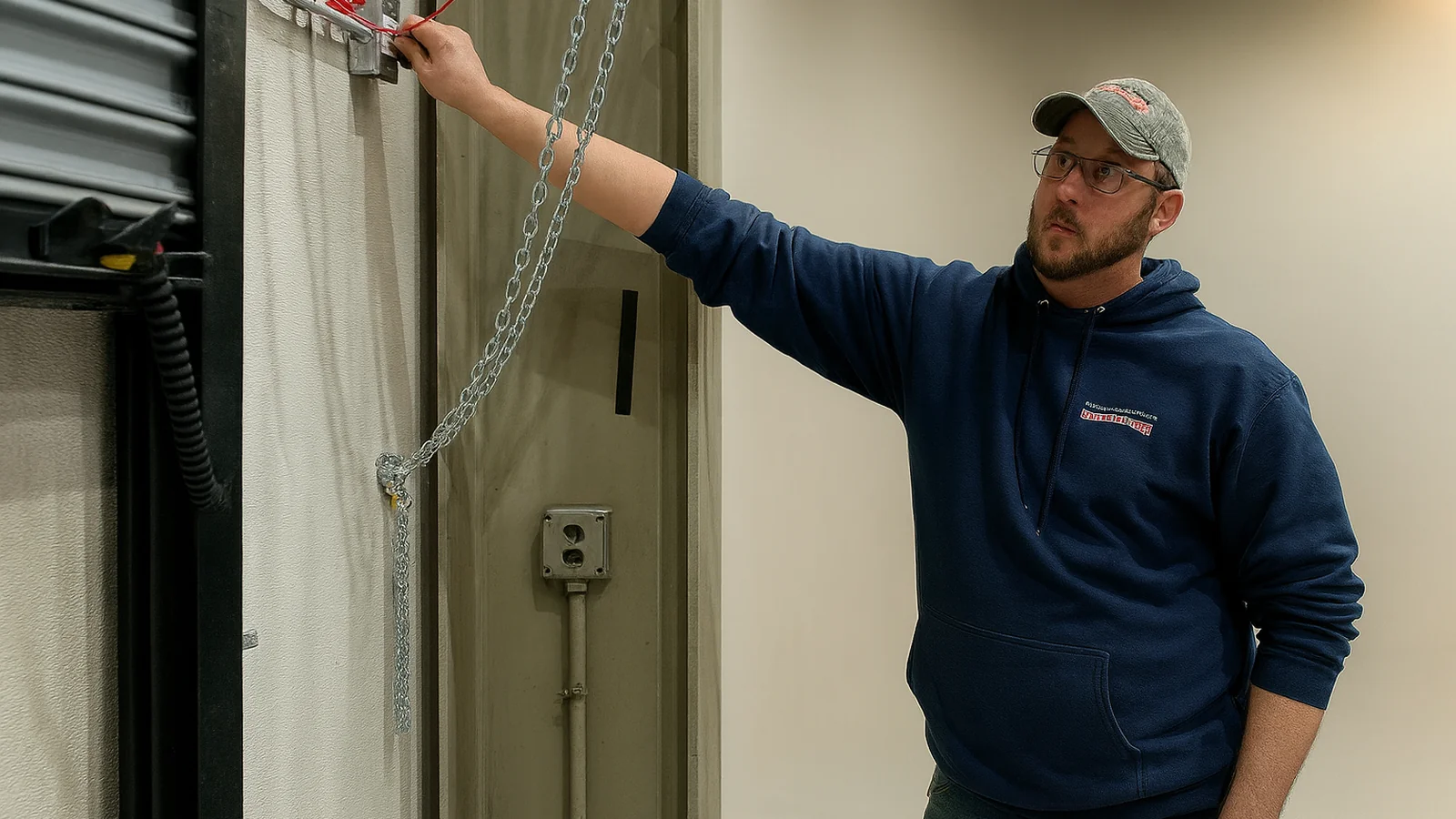
A visual inspection of your garage door can reveal much about its mechanical health. Look for a gap in the torsion spring coil, which indicates a fracture. Frayed or kinked cables suggest imminent failure, while cracked or wobbling rollers point to bearing collapse. Bowing or cracking panels might indicate a broken bottom bracket, and bent or rust-streaked tracks could derail the door.
Midland’s UV intensity degrades bottom weather seals and causes panel coatings to crack faster, often mistaken for cosmetic damage. Surface rust on cables and tracks appears quickly given the region’s abrasive environment, so discoloration should never be dismissed as purely aesthetic.
⚠️ Important: A visible spring gap means the spring is broken, and the door’s safety is compromised. Do not attempt to operate or repair the door yourself.
A manual balance test — lifting the door to waist height and releasing it — should result in the door staying in place if the system is properly balanced. Cables should run straight without slack or deviation. A spring gap or cable irregularity requires immediate professional repair, while cracked rollers need attention within days.
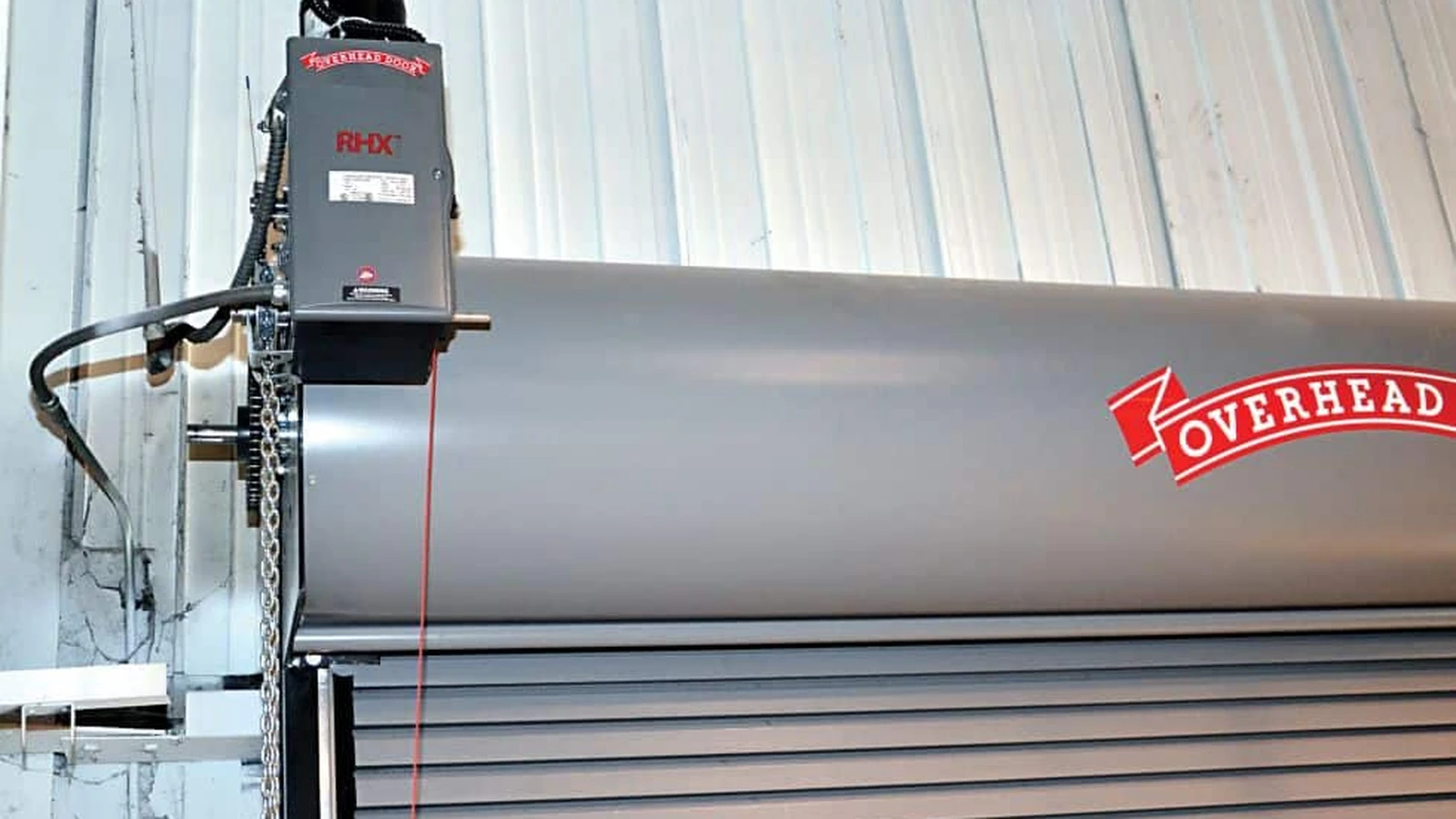
How your garage door operates can be as telling as its sounds or appearance. A door that reverses before closing calls for a check of safety sensor alignment. Jerky movement suggests a roller binding in a bent track. Slow response times often indicate low spring tension, which places extra load on the opener motor over time.
Heat and dust in Midland can cause false reversals, and thermal expansion may temporarily bind tracks during peak afternoon temperatures. A door that closes without fully sealing at the floor may not have a track problem at all — a warped section or worn bottom seal could be the actual cause.
⚠️ Important: Never bypass a sensor to prevent reversal issues; these are critical safety features.
Testing sensor function means interrupting the beam path during closure and confirming the door reverses as expected. If it doesn’t, the sensor may be misaligned or coated in dust. For slow or hesitant operation, a manual balance test can indicate whether spring tension is the issue. Persistent symptoms point toward more significant mechanical problems and should be evaluated by a professional.
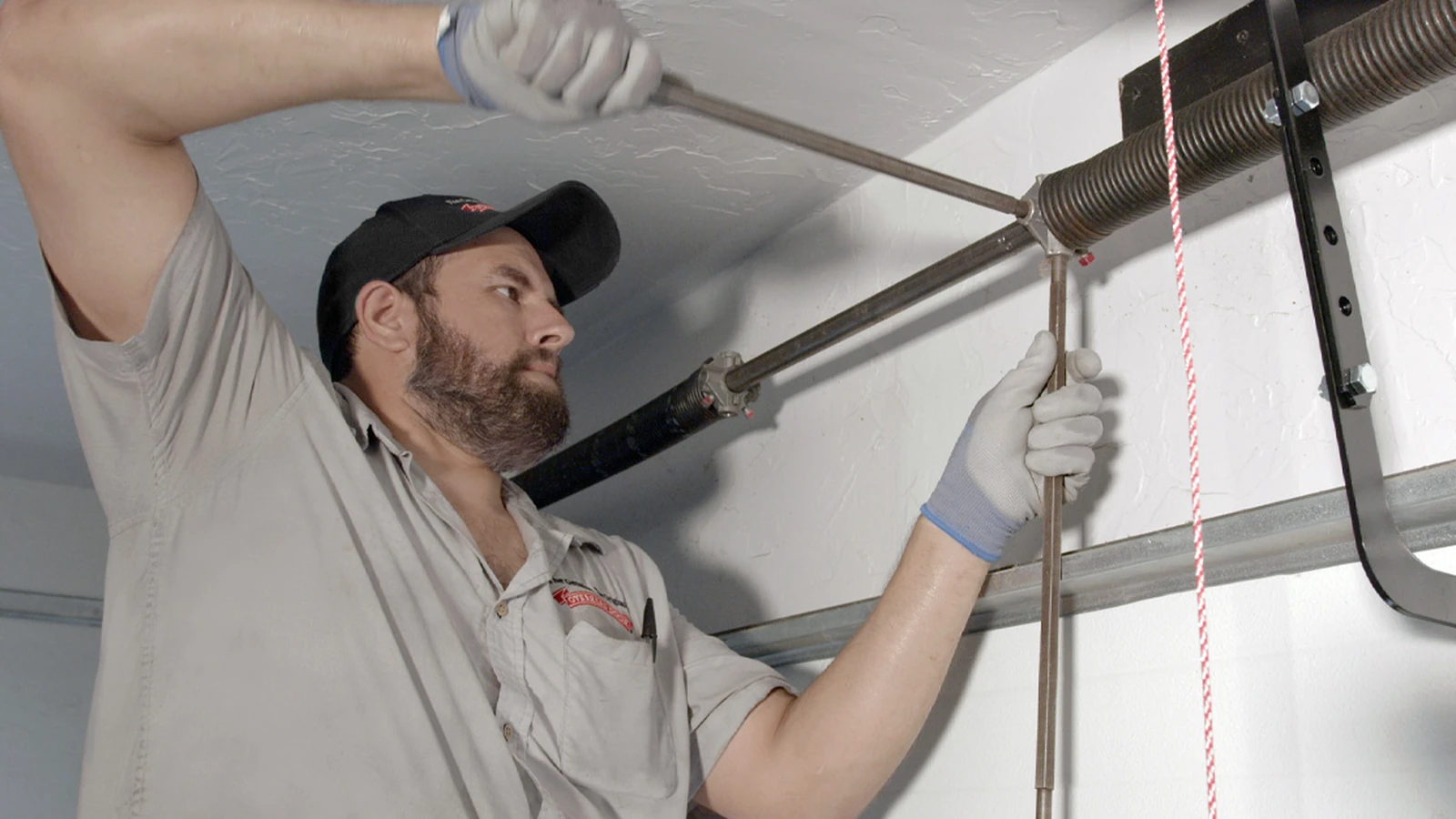
Certain conditions demand immediate professional attention. A broken torsion spring, a cable off the drum, or a door that fails to reverse on contact are safety-critical failures — the CPSC has documented thousands of garage door-related injuries annually, many involving springs and entrapment. Worn rollers or cracked seals are urgent but not emergencies; they can typically be scheduled within a few days.
A non-functional garage door in Midland creates rapid heat gain inside the garage, compounding the urgency of any repair. Dust storms worsen the situation by increasing exposure of internal components to abrasive particulate.
⚠️ Important: Torsion spring repairs require specialized tools and expertise. Attempting DIY fixes can result in severe injury. The Door & Access Systems Manufacturers Association (DASMA) strongly advises against consumer spring replacement.
Routine checks — manual balance tests and visual roller inspections — can catch problems before they escalate. Scheduling repairs early avoids the premium cost of same-day emergency service and keeps both security and energy efficiency intact.
A grinding noise typically points to failing roller bearings or grit-packed tracks. In Midland, caliche dust can accelerate this issue, making it essential to inspect and clean these components regularly.
This behavior often results from misaligned safety sensors or dust on the sensor lenses. Check the alignment and clean the lenses to resolve the issue.
No, a broken spring can cause the door to be unbalanced and unsafe to operate. It is best to call a professional for repairs immediately.
A regular visual and manual inspection schedule — frequency depending on your door’s age, usage, and exposure to dust and heat — helps catch problems early. In Midland, adding an inspection after dust storm season is advisable given the abrasive environment.
Catching a garage door problem while it’s still minor is almost always cheaper and safer than waiting for a component to fail completely. Midland’s climate doesn’t give doors much grace time once wear begins. Contact a trusted professional for residential garage door repair in Midland before a developing issue turns into a safety risk — a functioning door is too important to leave to chance.