
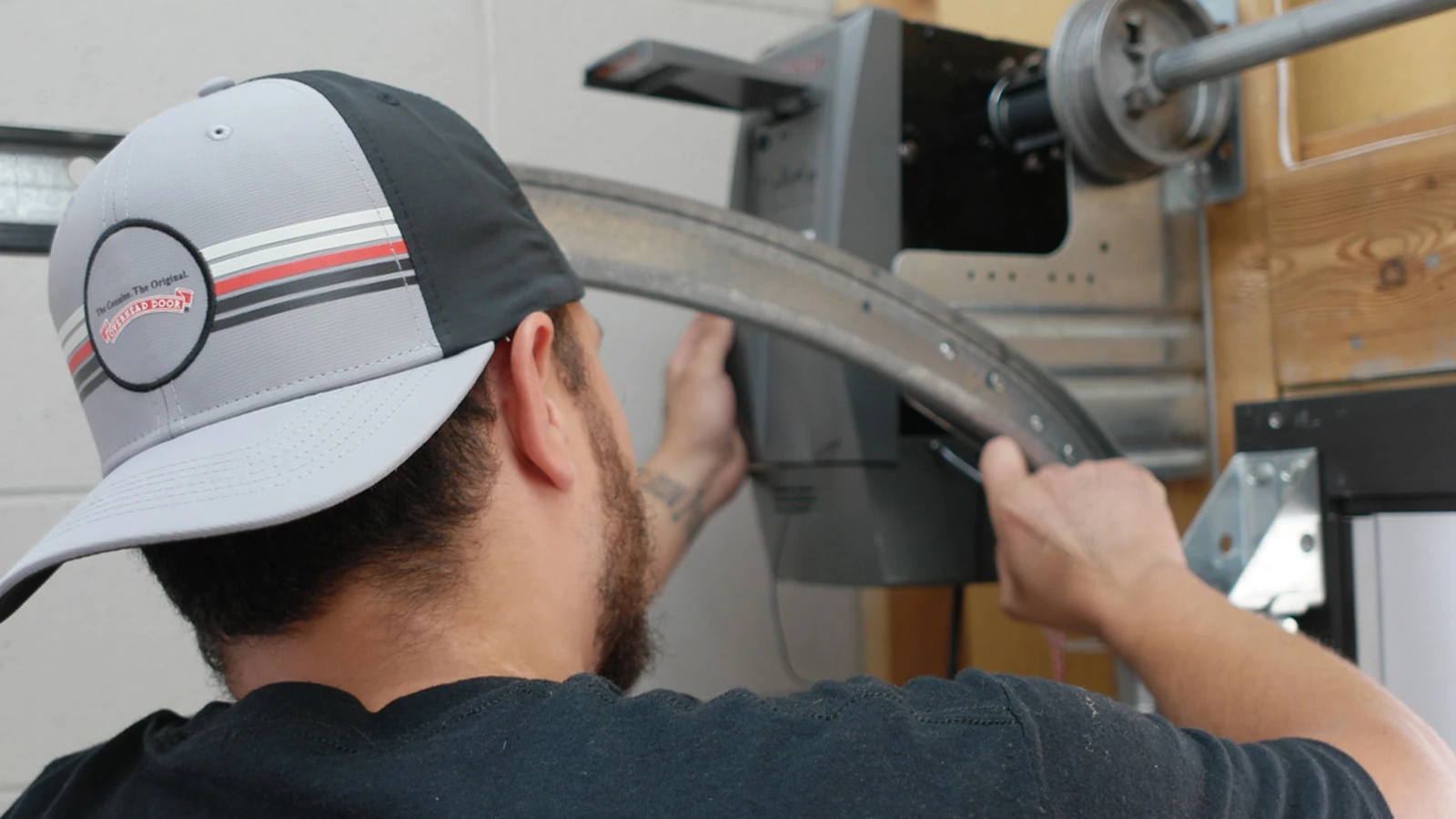
When your garage door struggles to close or reverses unexpectedly, it’s tempting to assume the opener is at fault and start looking for garage door opener repair in Midland, TX. However, the real issue often lies with the garage door’s mechanical components rather than the opener itself. Understanding this distinction can save you both time and money on unnecessary repairs and help you identify whether you truly need professional opener service or if another component requires attention.
Many homeowners in Midland encounter issues where their garage door won’t close, reverses immediately, or moves slowly. These problems are frequently misdiagnosed as opener failures when they are often due to misaligned or dust-covered photo-eye sensors. In the Permian Basin, dust settles on the sensor lenses, and a dirty lens can block the beam just like an object in the doorway.
⚠️ Important: Never bypass or tape over photo-eye sensors. These are crucial for preventing the door from closing on someone or something.
A simple inspection can help you identify the problem. On many openers, a blinking light on the motor unit or the sensors indicates a fault code; the owner’s manual explains what it means. Wiping the photo-eye lenses with a dry cloth can often solve the issue if dust is the cause.
Try these checks before assuming the opener has failed. Often, they reveal the real issue without the need for costly parts or service calls.
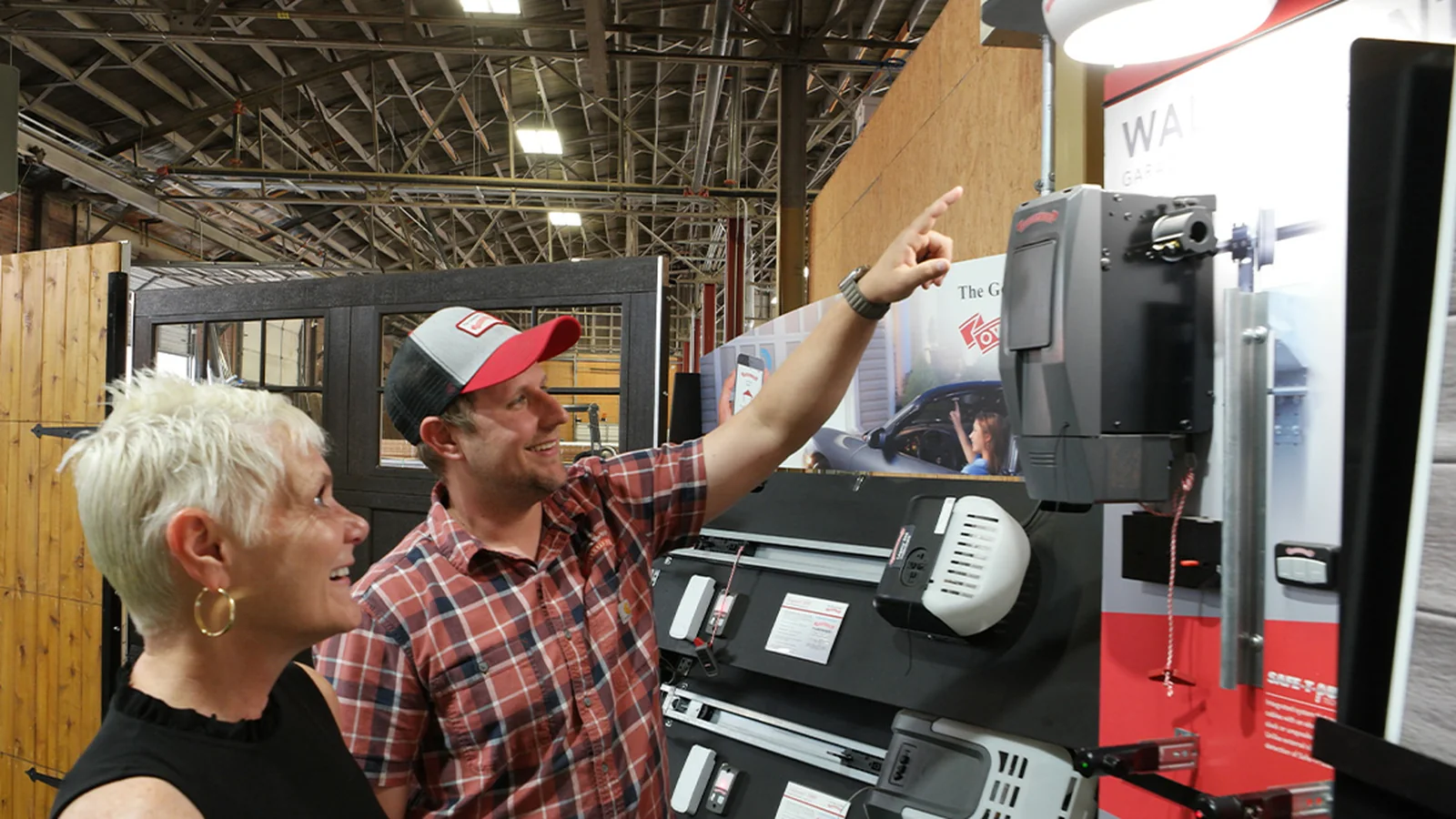
A structured inspection can resolve many common opener issues before you call a technician. Start by examining the photo-eye sensors, then the remote batteries and antenna, followed by a balance check (with the door closed, pull the emergency release and lift the door by hand; if it is heavy or won’t stay up, the problem is the springs, not the opener), and finally a visual inspection of the drive system. In Midland, garages filled with metal equipment can interfere with remote signals. Ensuring the antenna on the opener hangs straight and isn’t coiled or near metal objects can improve remote performance.
⚠️ Important: Do not attempt to adjust the torsion spring yourself. These springs are under high tension and require professional handling.
Check the remote batteries even if they seem fine, as they might still be weak, and make sure the antenna wire is hanging freely. Inspect both photo-eye units: on most openers, both show a steady light when aligned, and a blinking or dark light indicates misalignment or an obstruction.
If these checks show no issues and the door balances manually, the problem is likely internal to the opener. This is when you should call a professional.
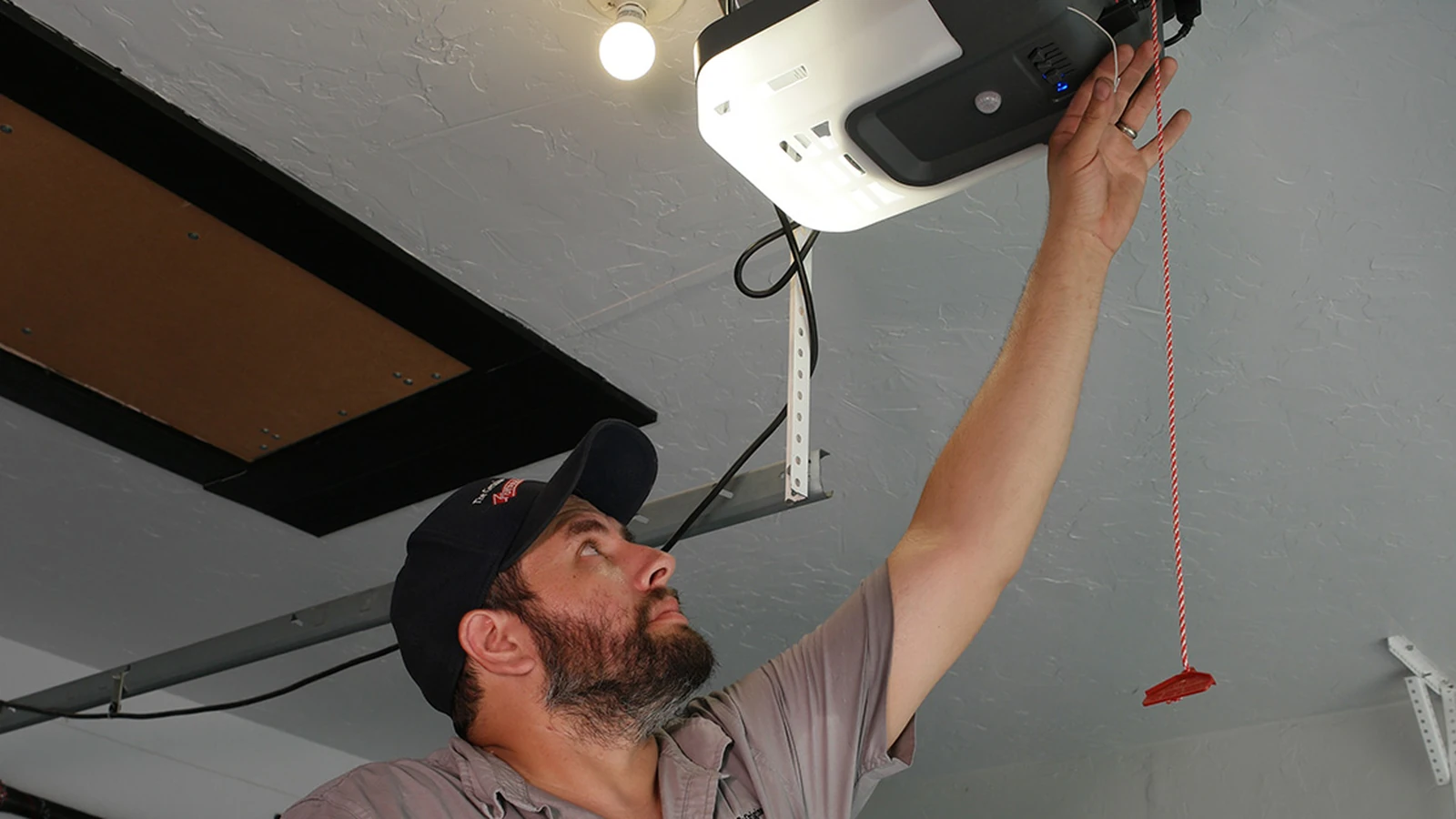
Deciding whether to repair or replace your garage door opener depends on several factors: the unit’s age, the cost of repairs, and whether the opener meets current safety standards. For instance, an expensive circuit board repair on an old, worn opener can be poor value, because other parts may soon need work too. Ask for both a repair quote and a replacement quote and compare them.
If you replace the opener, a belt-drive model is quieter than a chain drive, which matters for attached garages, and newer openers offer better security features such as rolling codes.
⚠️ Important: Replace units lacking auto-reverse and photo-eye protection to meet safety standards, regardless of the motor’s condition.
When describing the problem to a technician, note what you hear: an opener that hums without moving and one that does nothing at all point to different faults. Knowing the age and condition of your unit’s components will guide the decision effectively.
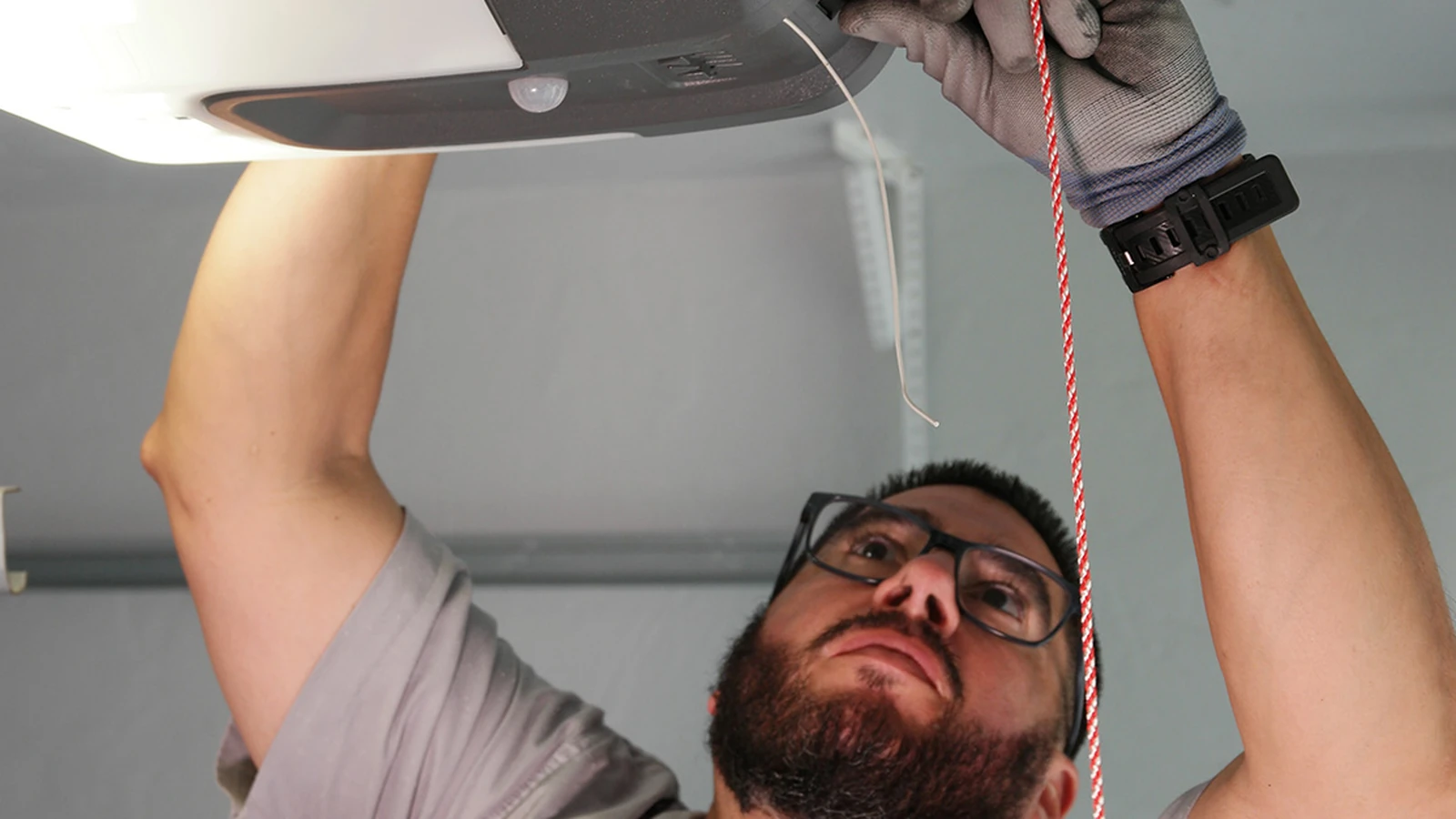
The most likely cause is misaligned or dirty photo-eye sensors; dust on the lenses is common in Midland. Clean the lenses with a dry cloth, and check for sunlight interference during certain times of the day.
Repair costs vary by component. Photo-eye sensor replacement and wiring repairs are less expensive, while logic board replacements can approach the cost of a new unit. For an older opener, ask for both a repair and a replacement quote.
Yes, you can perform several checks yourself, such as cleaning photo-eye lenses, replacing remote batteries, and checking the antenna wire. However, adjustments to the torsion spring or logic board require a professional due to safety risks.
It depends on the opener and how often the door is used. Heat in a closed garage adds stress to electronics, so an opener that is aging and starting to act up is worth having inspected.
Many opener problems turn out to be dusty sensors, weak remote batteries, or a door that is out of balance. If those checks don’t solve it, our technicians can handle garage door opener repair in Midland, TX, or help you choose a replacement. Contact our Permian Basin team to schedule service.